A New Dawn for Upper Manhattan and the Bronx: Darializa Avila Chevalier’s Historic Victory Redefines Black and Latino Political PowerUn nuevo amanecer para el Alto Manhattan y el Bronx: la victoria histórica de Darializa Avila Chevalier redefine el poder político negro y latino
History was made in New York’s 13th Congressional District, as Darializa Avila Chevalier became the first Afro-Latina Dominican woman elected to represent Upper Manhattan and the West Bronx.Se hizo historia en el Distrito 13 de Nueva York: Darializa Avila Chevalier se convirtió en la primera mujer afrolatina dominicana elegida para representar al Alto Manhattan y el oeste del Bronx.
 ByPor Dr. Richard Nuñez-Lawrence, Founding Executive Director, ALAPADirector ejecutivo fundador de ALAPA3 min readmin de lectura
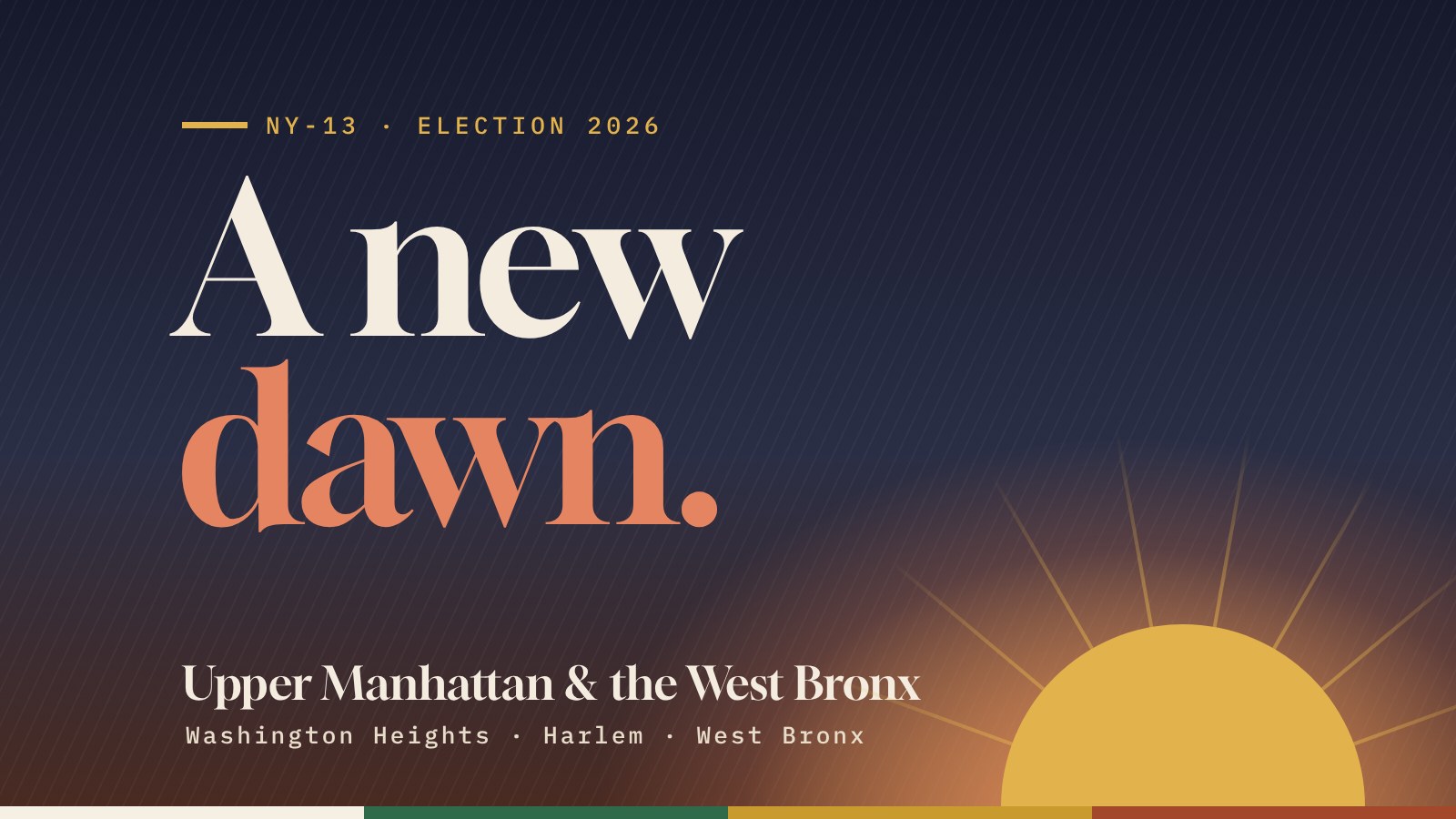
History was made last night in New York’s 13th Congressional District. In an election that will be studied for generations, community organizer Darializa Avila Chevalier sailed to a decisive victory, officially becoming the first Afro-Latina Dominican woman elected to represent Upper Manhattan and the West Bronx in the United States Congress.
For the neighborhoods of Washington Heights, Harlem, and the West Bronx, this is more than a change in leadership—it is a seismic cultural and political shift. For decades, Black and Latino voters have served as the bedrock of the Democratic Party, turning out in overwhelming numbers to anchor the progressive coalition. Yet, for just as long, our communities have asked whether that loyalty translates into policies that directly tackle structural poverty, displacement, and systemic racism. Avila Chevalier’s victory answers that call with a resounding mandate: representation must be active, accountable, and explicitly rooted in the working class.
Transforming the 13th District: Material Change for Washington Heights and Beyond
The immediate impacts of Avila Chevalier’s victory will be felt most acutely at home. NY-13 remains one of the most economically vulnerable congressional districts in New York, with nearly 40% of its children living in poverty. Her platform bypasses traditional establishment compromises to target the root causes of this hardship.
For residents of Washington Heights and Harlem who face soaring rents and the constant threat of gentrification, Avila Chevalier’s arrival in Washington signals a fierce defense of tenant rights. Running on a platform of aggressive federal tenant protections, universal rent caps, and massive reinvestment in public housing, her office is positioned to fight the corporate greed that drives displacement. Furthermore, as a bilingual Afro-Latina who can speak directly with the district’s vast Spanish-speaking diaspora, she closes a critical accessibility gap, ensuring that the most marginalized voices are directly connected to federal resources.
Shifting the Balance: Federal Policy in the House and Senate
Beyond the borders of Upper Manhattan, Avila Chevalier’s election injects bold, progressive energy into the halls of Congress. Joining an ascending bloc of democratic socialists and progressive champions, her presence will reshape policy debates in both chambers.
- A Realignment of Black and Latino Coalitions: Historically, advocacy for Black and Latino communities has sometimes been treated as distinct by corporate political machines. As an Afro-Latina, Avila Chevalier embodies the intersection of these identities. Her policy advocacy naturally bridges the gap between the Congressional Black Caucus and the Congressional Hispanic Caucus, forging a unified front to fight mass incarceration, protect voting rights, and expand economic opportunity for communities of color nationwide.
- Immigration Justice and Human Rights: With deep roots in grassroots immigrant defense, Avila Chevalier brings a transformative vision to federal immigration policy. Her vocal stances—including a push to abolish ICE, end punitive deportations, and secure permanent legal status for undocumented families—will force a shift in how Democrats approach immigration reform. Her presence ensures that human dignity, rather than militarized enforcement, remains at the center of the legislative debate.
- Investing in Communities, Not Corporations: True to her “Babies, Not Bombs” campaign doctrine, Avila Chevalier will advocate for a fundamental reallocation of taxpayer funds. In the House, she will champion policies like Medicare for All, universal childcare, and fully funded public education. By demanding that federal tax dollars be divested from foreign military engagements and corporate subsidies, she lays the groundwork for a domestic agenda focused entirely on working-class uplift.
The Road Ahead
For policy advocates and community organizations, this election represents a measurable mandate for targeted federal investment. Data from the U.S. Census Bureau indicates that NY-13 maintains a median household income of roughly $52,000—more than a third below the national median—while over 25% of its residents live below the federal poverty line. With housing costs in Upper Manhattan increasing at twice the rate of local wage growth over the last decade, the district’s demographic survival depends on immediate federal intervention.
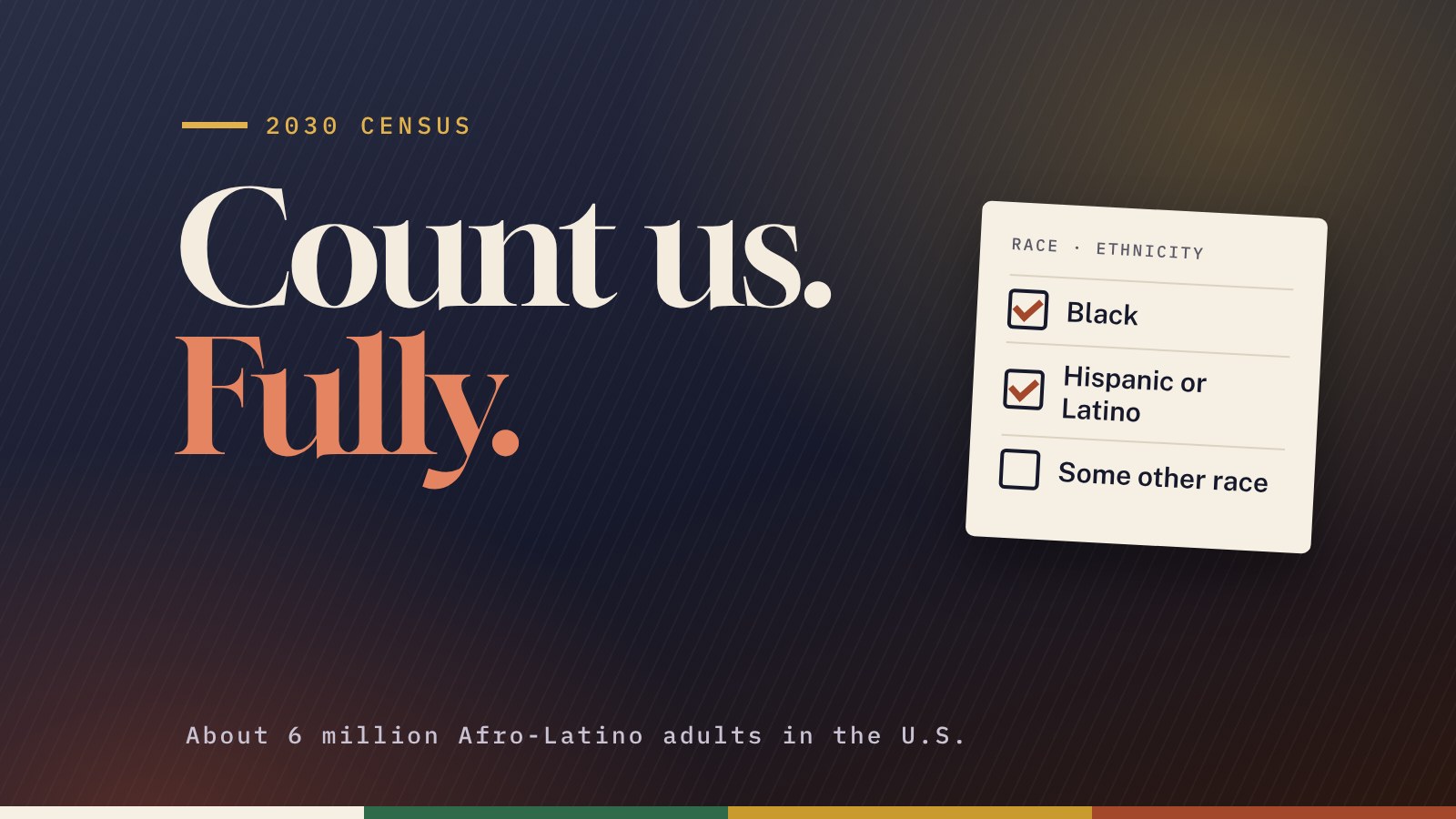
By sending an Afro-Latina advocate to Washington, the district secures a representative aligned with demographic realities; nationwide, Afro-Latinos represent a critical intersectional cohort of millions of Americans who experience compounded systemic disparities in health equity, homeownership access, and median net worth. Moving forward, our coalition will track key legislative benchmarks—specifically the preservation of HUD-funded housing, federal allocations for community health centers, and localized equity grants—to ensure that historic electoral representation translates directly into measurable economic stabilization for the working class.
Dr. Richard Nuñez-Lawrence is the founding Executive Director of the Afro-Latino Association for Policy and Advocacy (ALAPA).
Anoche se hizo historia en el Distrito 13 del Congreso de Nueva York. En una elección que se estudiará durante generaciones, la organizadora comunitaria Darializa Avila Chevalier obtuvo una victoria contundente y se convirtió oficialmente en la primera mujer afrolatina dominicana elegida para representar al Alto Manhattan y el oeste del Bronx en el Congreso de Estados Unidos.
Para los barrios de Washington Heights, Harlem y el oeste del Bronx, esto es más que un cambio de liderazgo: es un giro cultural y político de enorme alcance. Durante décadas, los votantes negros y latinos han sido la base del Partido Demócrata y han votado de forma masiva para sostener la coalición progresista. Sin embargo, durante el mismo tiempo, nuestras comunidades se han preguntado si esa lealtad se traduce en políticas que enfrenten directamente la pobreza estructural, el desplazamiento y el racismo sistémico. La victoria de Avila Chevalier responde a esa pregunta con un mandato rotundo: la representación debe ser activa, rendir cuentas y estar explícitamente arraigada en la clase trabajadora.
Transformar el Distrito 13: un cambio real para Washington Heights y más allá
El impacto inmediato de la victoria de Avila Chevalier se sentirá sobre todo en casa. NY-13 sigue siendo uno de los distritos del Congreso más vulnerables económicamente de Nueva York, con casi el 40 % de sus niños viviendo en la pobreza. Su programa deja de lado los compromisos tradicionales del sistema para atacar las causas profundas de esta situación.
Para los residentes de Washington Heights y Harlem que enfrentan alquileres por las nubes y la amenaza constante de la gentrificación, la llegada de Avila Chevalier a Washington señala una firme defensa de los derechos de los inquilinos. Con un programa de protecciones federales contundentes para inquilinos, límites universales a los alquileres y una inversión masiva en vivienda pública, su oficina está preparada para enfrentar la codicia corporativa que impulsa el desplazamiento. Además, como afrolatina bilingüe que puede hablar directamente con la amplia diáspora hispanohablante del distrito, cierra una brecha de acceso fundamental y garantiza que las voces más marginadas tengan conexión directa con los recursos federales.
Cambiar el equilibrio: la política federal en la Cámara y el Senado
Más allá de los límites del Alto Manhattan, la elección de Avila Chevalier aporta una energía progresista y audaz al Congreso. Al sumarse a un bloque creciente de socialistas democráticos y referentes progresistas, su presencia transformará los debates de políticas públicas en ambas cámaras.
- Un realineamiento de las coaliciones negras y latinas: Históricamente, las maquinarias políticas corporativas han tratado a veces por separado la defensa de las comunidades negras y latinas. Como afrolatina, Avila Chevalier encarna la intersección de ambas identidades. Su labor tiende puentes de forma natural entre el Caucus Negro del Congreso y el Caucus Hispano del Congreso, y forja un frente unido para combatir el encarcelamiento masivo, proteger el derecho al voto y ampliar las oportunidades económicas para las comunidades de color en todo el país.
- Justicia migratoria y derechos humanos: Con raíces profundas en la defensa comunitaria de los inmigrantes, Avila Chevalier aporta una visión transformadora a la política migratoria federal. Sus posturas firmes, entre ellas eliminar ICE, poner fin a las deportaciones punitivas y garantizar un estatus legal permanente para las familias indocumentadas, obligarán a los demócratas a cambiar su enfoque sobre la reforma migratoria. Su presencia asegura que la dignidad humana, y no la aplicación militarizada de la ley, siga en el centro del debate legislativo.
- Invertir en las comunidades, no en las corporaciones: Fiel a su lema de campaña «Babies, Not Bombs» («Bebés, no bombas»), Avila Chevalier abogará por una redistribución fundamental de los fondos de los contribuyentes. En la Cámara, defenderá políticas como Medicare para Todos, el cuidado infantil universal y una educación pública plenamente financiada. Al exigir que los impuestos federales dejen de destinarse a intervenciones militares en el extranjero y subsidios corporativos, sienta las bases de una agenda nacional centrada por completo en el bienestar de la clase trabajadora.
El camino por delante
Para los defensores de políticas públicas y las organizaciones comunitarias, esta elección representa un mandato claro para una inversión federal focalizada. Los datos de la Oficina del Censo de EE. UU. indican que NY-13 tiene un ingreso familiar medio de unos 52.000 dólares, más de un tercio por debajo de la mediana nacional, y que más del 25 % de sus residentes vive por debajo del umbral federal de pobreza. Con los costos de la vivienda en el Alto Manhattan creciendo al doble del ritmo de los salarios locales durante la última década, la supervivencia demográfica del distrito depende de una intervención federal inmediata.
Al enviar a una defensora afrolatina a Washington, el distrito se asegura una representante en sintonía con su realidad demográfica; a nivel nacional, las personas afrolatinas son un grupo interseccional clave de millones de estadounidenses que enfrentan desigualdades sistémicas acumuladas en equidad en salud, acceso a la vivienda propia y patrimonio neto. De ahora en adelante, nuestra coalición dará seguimiento a indicadores legislativos clave, en particular la preservación de la vivienda financiada por HUD, las asignaciones federales para centros de salud comunitarios y las subvenciones locales de equidad, para garantizar que la representación electoral histórica se traduzca directamente en una estabilidad económica medible para la clase trabajadora.
El Dr. Richard Nuñez-Lawrence es el director ejecutivo fundador de la Asociación Afrolatina de Política y Defensa (Afro-Latino Association for Policy and Advocacy, ALAPA).
ALAPA, the Afro-Latino Association for Policy & Advocacy, is a New York nonprofit for Afro-Latinos across the Americas and the Caribbean.ALAPA, la Afro-Latino Association for Policy & Advocacy, es una organización sin fines de lucro de Nueva York para la comunidad afrolatina de las Américas y el Caribe.